Wednesday, May 24, 2023

Unlock the Nutrients of Apple: Benefits, Recipes and More

Did you know that apples are among nature's most versatile and nutritious fruits? With over 2,500 known varieties, apples offer a wide range of flavors, colors, and textures that can be enjoyed in numerous culinary applications.

From boosting your immune system to managing your weight, apples have proven time and time again to be a delicious and healthy addition to any diet.

In this blog post, we'll explore apple nutrition facts, the nutritional profile of apples, their health benefits, culinary uses, and potential risks, providing you with all the information you need to fully unlock the nutrients of apple, this amazing fruit.

Short Summary

  • Apples are a nutrient-dense fruit with essential vitamins, minerals and antioxidants that can offer various health benefits.

  • Apples provide dietary fiber to support cardiovascular health, regulate blood sugar levels and help in cancer prevention.

  • Apple recipes range from snacks to savory dishes to desserts. It is important to be aware of potential risks associated with consuming apples.

The Nutritional Profile of Apples

apple, fruits, food collage

Apples are a treasure trove of nutrients that provide a myriad of health benefits. The impressive nutritional profile of apples includes vitamins, minerals, and antioxidants. These nutrients work in synergy to support various aspects of our health, such as immunity, cardiovascular health, and blood sugar regulation.

Let's delve deeper into apple peel and the vitamins, minerals, and antioxidants that make apples a nutritional powerhouse.

Vitamins

An apple a day may indeed keep the doctor away, thanks to its rich vitamin content. One of the most prominent vitamins found in apples is vitamin C, also known as ascorbic acid. Vitamin C is a potent antioxidant that helps strengthen our immune system and protects our cells from oxidative damage.

In addition to vitamin C, apples contain trace amounts of B-complex vitamins like riboflavin, thiamin, and pyridoxine, which play crucial roles in maintaining our overall health. So, the next time you're looking for a vitamin-packed snack, grab an apple and enjoy the nutritional benefits that apple nutrition that it has to offer.

Minerals

Besides vitamins, apples are also rich in essential minerals that contribute to our overall health. Potassium, one of the vital minerals found in apples, plays a crucial role in regulating blood pressure and maintaining the balance of fluids in our body.

Another important mineral present in apples is magnesium, which is essential for bone health and proper muscle function. With each bite of a juicy apple, you're not only satisfying your taste buds, but also nourishing your body with these vital minerals.

Antioxidants

The nutritional prowess of apples doesn't end with vitamins and minerals; they're also packed with powerful antioxidants like quercetin and catechins. These antioxidants have been shown to reduce inflammation and protect against chronic diseases like lung cancer, and heart disease.

Furthermore, evidence suggests that a diet rich in fruits and vegetables, such as apples, can lower the risk of various types of cancers, including lung, breast, and prostate cancer. So don't hesitate to include apples in your daily fruit and vegetable intake to reap the health benefits of these potent antioxidants.

Health Benefits of Apple Consumption

apple, bite, worn

Now that we've explored the nutritional profile of apples, let's dive into the specific health benefits that come with regular apple consumption. From supporting cardiovascular health to regulating blood sugar levels and even helping in cancer prevention, apples are truly a remarkable fruit.

Let's take a closer look at how apples can positively impact our health in these areas.

Cardiovascular Health

One of the most significant human health benefits of apples lies in their ability to promote cardiovascular health. Apples are an excellent source of dietary fiber, which is known to help lower cholesterol levels and reduce plaque buildup in the arteries. This, in turn, can lower the risk of heart disease and improve overall heart health.

Moreover, a diet rich in whole fruits like apples has been associated with a significantly lower risk of cardiovascular disease. So, if maintaining a healthy heart is on your priority list, make sure to include whole fruit and apples in your diet.

Blood Sugar Regulation

Apples can also play a vital role in regulating blood sugar levels, thanks to their high fiber content. The soluble fiber also found in apples slows down the digestion and absorption of sugars, which helps maintain stable blood sugar levels and reduces the risk of diabetes and other metabolic disorders.

Furthermore, apples contain flavonoids that have been shown to improve insulin sensitivity, further assisting in blood sugar regulation. So, whether you're looking to prevent or manage diabetes, adding apples to your diet can be a delicious and nutritious way to support blood sugar regulation.

Cancer Prevention

The antioxidants found in apples, particularly quercetin, may contribute to cancer prevention by inducing programmed cell death in various types of tumors. Several studies have shown a correlation between apple consumption and lower cancer incidence, suggesting that apples may have a protective effect against certain cancers.

While more research is needed to fully understand the role of apples in cancer prevention, it's clear that incorporating apples into your diet can provide valuable health benefits.

Weight Management and Apples

apple, diet, healthy

Apples are not only packed with nutrients, but can also be an excellent addition to any weight management plan. With their high fiber content and low calorie count, apples can help you feel full for longer, reducing overeating and promoting weight loss.

Let's explore how the high fiber diet and calorie content of apples can support your weight management goals.

Fiber and Satiety

Apples are an excellent source of fiber, which can help promote satiety and make you feel full for longer. This, in turn, can reduce overeating and help you maintain a healthy weight.

By including the whole apples here in your diet, you're not only providing your body with essential nutrients, but also supporting your weight management efforts through the natural appetite-suppressing effects of fiber.

Calorie Content

When it comes to weight management, it's essential to consider the calorie content of the foods you eat. One medium-sized apple contains only 104 calories, making it a great snack option for those looking to lose or maintain weight.

By choosing low-calorie, nutrient-dense foods like apples, you can satisfy your hunger and cravings without consuming excess calories, ultimately supporting your weight management goals.

Apple Varieties and Culinary Uses

apple, worm, fruit

With over 2,500 known varieties, apples offer a wide range of flavors, colors, and textures plant foods that can be enjoyed in numerous culinary applications. From sweet and tart varieties fresh apples to cooking and baking with apples, let's explore the versatility of this amazing fruit and how you can incorporate it into your meals.

Sweet and Tart Varieties

Apples come in a variety of flavors, from sweet to tart, catering to diverse taste preferences. Sweet apples, such as Red Delicious, Golden Delicious, and Honeycrisp, are great for snacking and baking, while tart apples like Granny Smith, Braeburn, and Pink Lady are perfect for cooking and baking.

No matter your taste preference, there's an apple variety that's sure to please your palate.

Cooking and Baking with Apples

Apples can be incorporated into a plethora of recipes that cater to both sweet and savory cravings. Savory apple dishes, such as apple and sausage skillet, apple and pork chops, and apple and kale salad, showcase the versatility of this fruit in enhancing the flavors of various ingredients. Gala, Braeburn, and Jonagold are suitable apple varieties for savory cooking, adding a delightful balance of sweetness and tartness to your dishes.

For those with a sweet tooth, apples can be the star ingredient in desserts like apple pie, apple crumble, and apple crisp. Honeycrisp, Golden Delicious, and Fuji are recommended apple varieties for sweet dishes medium apple everything, providing the perfect balance of sweetness and texture.

So, whether you're in the mood for fresh fruit for a savory meal or a sweet treat, dried apples really can be a delicious and versatile addition to your culinary creations.

Potential Risks and Precautions

apples, red, pair

While apples are packed with health benefits clinical nutrition and culinary versatility, it's essential to be aware of potential risks and precautions associated with their consumption. From allergies and sensitivities to dental health concerns, let's explore how to enjoy apples safely and responsibly.

Allergies and Sensitivities

For some individuals, eating raw apples alone can cause allergic reactions and sensitivities. Symptoms can range from mild irritation to potentially life-threatening reactions, particularly in the mouth, lungs, face, nose, and stomach.

It is important to seek medical care if you have any adverse symptoms after eating apples. Consulting your healthcare provider regarding an allergy test is essential. By being aware of potential allergies and sensitivities, you can enjoy apples safely and responsibly.

Dental Health

Although apples are generally considered beneficial for dental health, eating too many apples can lead to dental problems due to their acidic content. To avoid potential dental issues, it's recommended to rinse your mouth with water or brush your teeth after eating apples. By following these precautions, you can continue to enjoy the health benefits of apples while maintaining good dental health.

Delicious Apple Recipes
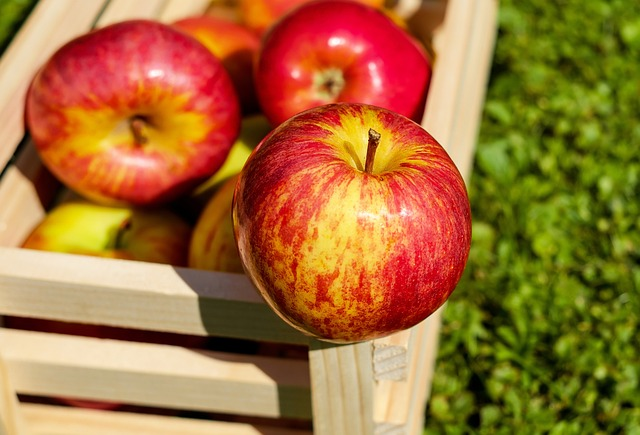
apple, red, fruits

Apples can be used in a variety of recipes, from snacks to savory dishes to sweet treats. Whether you're in the mood store apples, for a quick and healthy snack or a mouthwatering dessert, there's an apple recipe that's sure to satisfy your cravings.

Let's explore some delicious apple snacks, savory dishes, and sweet treats that you can enjoy.

Apple Snacks

If you're looking for a simple yet satisfying apple snack, consider trying apple chips, apple slices with nut butter, or apple slices with cheese. These snacks not only provide the nutritional benefits of apples, but are also easy to prepare and perfect for on-the-go snacking.

So, the next time you're craving a quick and healthy snack, reach for one of these delicious apple treats.

Savory Apple Dishes

For those who prefer savory dishes, apples can be the perfect ingredient to elevate your meals. Consider trying apple and sausage skillet, apple and pork, apple seeds and chops, apple cider with, or apple and kale salad for a delicious and nutritious meal.

These savory apple dishes showcase the versatility of apples, proving that they can be just as delicious in savory recipes as they are in sweet treats.

Sweet Apple Treats

baby, kid, small child

If you have a sweet tooth, apples can be the star ingredient in a variety of mouthwatering desserts. Indulge in apple crisp, apple pie, or apple crumble for a sweet treat that's sure to satisfy your cravings raw apple anything.

These sweet apple treats not only taste delicious, but also provide the nutritional benefits of apples, making them a guilt-free indulgence you can enjoy.

Summary

In conclusion, apples are a versatile and nutritious fruit that can provide numerous health benefits, from supporting cardiovascular health to regulating blood sugar levels and even aiding in cancer prevention.

With their impressive nutritional profile, wide variety of flavors, and countless culinary applications, apples are a delicious and healthy addition to any diet. By being mindful of potential risks and precautions, you can safely enjoy all that apples have to offer. So, go ahead and enjoy the delightful flavors and health benefits of this remarkable fruit. Happy apple eating!

Frequently Asked Questions

What are the main nutrients in apples?

Apples are a nutrient-rich fruit packed with fiber, vitamin C, antioxidants, and polyphenols. They provide a good source of energy with minimal amounts of fat, sodium, and cholesterol.

Apples are also a great addition to any diet. They can be eaten raw, cooked, or juiced lemon or apple juice together, and can be used in a variety of recipes. Apples are also a great food.

What nutrient is apple high in?

Apples are high in fiber, vitamin C, and various antioxidants. Eating apples can promote good health due to their many beneficial nutrients and have been linked to a range of health benefits.

A medium-sized apple provides 11–14% of the daily recommended value for fiber and 10% of the daily value for vitamin C.

What are 5 health benefits of an apple?

Eating apples regularly provides many health benefits, including improved digestion, a stronger immune system, better heart health, weight management, and reduced risk of cancer.

Apples are packed with essential vitamins, minerals, antioxidants, dietary fiber, and phytonutrients, making them one of the healthiest fruits you can eat.

With so many nutritious apple components, it's no surprise that apples are an incredibly healthy snack!

Is it good to eat an apple every day?

Based on the evidence, it is safe to conclude that eating an apple every day can have positive health benefits.

Apples contain high levels of fiber and polyphenols which can help lower blood pressure, cholesterol, and inflammation, making it beneficial for heart health.

Additionally, the nutrients in apples may strengthen lung function and improve digestive issues when consumed in moderation. Therefore, it is only organic apples and generally considered good to eat an apple every day.

What are the benefits of eating an apple?

Eating an apple can be beneficial for your health in many ways. Not only eat apples do they contain a variety of essential nutrients, but they are also rich in fiber and antioxidants which can help protect your heart and promote weight loss.

Apples may also reduce the risk of certain chronic diseases, such as diabetes, coronary heart disease,, and cancer, while also improving gut and brain health.


source https://8thwondertea.com/blogs/news/nutrients-of-apple

Green Tea is Good for What? Benefits and Guide

Green tea, a timeless elixir consumed for centuries, is renowned for its numerous health benefits.

From boosting brain function to promoting healthy skin and maintaining a healthy weight, it's clear that green tea is good for what it's worth.

Discover how green tea can help you on your journey to wellness. Let's embark on an exploration of the remarkable benefits of green tea and unlock the secrets to a healthier, happier you.

Short Summary

  • Green tea can boost brain function, mental health and memory.

  • It supports heart health, reduces cholesterol levels and helps manage blood pressure.

  • Green tea also promotes weight loss, healthy skin and dental hygiene while providing antioxidant effects to protect the body from free radical damage.

Boosting Brain Function

green tea

Imagine a natural drink that not only refreshes but also enhances your brain's performance. Green tea is that drink! Rich in beneficial compounds such as polyphenols, catechins, and minerals, consuming green tea often has been found to improve brain function by boosting the presence of caffeine and L-theanine, which work in harmony to increase alertness, focus, and mental clarity.

So, the next time you need a mental pick-me-up, consider reaching for a soothing cup of green tea instead of your usual coffee.

Mental Health Support

A healthy mind is essential for overall well-being and green tea is a natural ally in this quest. The synergistic effects of caffeine and L-theanine have a positive impact on mood, reaction time, attention, and memory.

A 2022 study published in Frontiers in Nutrition discovered that elderly individuals who habitually consumed tea, including many green tea drinkers, exhibited lower rates of cognitive decline compared to non-tea drinkers. So drinking green tea can be a simple and enjoyable way to maintain and support your mental health.

Memory Enhancement

As we age, our memory may start to falter, but green tea can come to the rescue! Research has shown that green tea may help reduce the likelihood of age-related cognitive decline by 64%.

Additionally, a study found that green tea extract enhanced subjects' working memory, showing increased brain connectivity and improved task performance. So, why not make green tea extracts a part of your daily routine and give your memory a helping hand?

Neurodegenerative Disease Protection

Neurodegenerative diseases such as Alzheimer's and Parkinson's can be devastating, but green tea may offer a ray of hope. The catechin compounds in green tea have been shown to possess protective effects on neurons, potentially reducing the risk of dementia.

The catechins fight free radicals, safeguard neurons from harm, and delay or avert their demise. While more research is needed, studies suggest that incorporating green tea into your lifestyle could be a step towards safeguarding your brain health.

Supporting Heart Health

mental health

A healthy heart is vital for a long and fulfilling life, and green tea can play a crucial role in this endeavor. Rich in antioxidants, green tea has been known to reduce blood pressure, protect against heart disease, and improve cardiovascular health.

With heart disease being the leading cause of death worldwide, incorporating green tea into your daily routine could be a simple and effective way to keep your heart in tip-top shape.

Cholesterol Reduction

Did you know that green tea can help reduce cholesterol levels? Studies have shown that green tea consumption can significantly decrease total cholesterol concentration as well as levels of "bad" LDL cholesterol, thanks to its catechins and other antioxidant compounds.

By keeping your cholesterol in check, you're taking a proactive approach to maintain your heart health and overall well-being.

Blood Pressure Management

High blood pressure is a silent killer that can lead to heart disease and stroke, but green tea offers a natural solution to lower risk further. The antioxidants in green tea have been found to relax and widen arteries, thereby reducing blood pressure and decreasing inflammation.

So, why not consider swapping out your afternoon coffee for a soothing cup of green tea and give your heart a well-deserved break?

Stroke Prevention

Green tea's catechin molecules may help prevent vascular diseases and stroke by harnessing their antioxidant and anti-inflammatory properties. Studies have shown that drinking green tea is associated with a decreased risk of ischemic stroke and cardiovascular disease.

So, whether you're a tea aficionado or a newbie, sipping on a cup of green tea could be a simple and enjoyable way to protect your brain and heart.

Encouraging Weight Loss

weight loss

Achieving and maintaining a healthy weight can be a challenge, but green tea is here to help. Green tea can augment fat burning and boost metabolic rate, potentially aiding in weight loss by suppressing appetite and accelerating calorie burning.

So next time you're looking for a weight loss ally, reach for a cup of green tea and let its natural powers work their magic.

Metabolism Enhancement

A healthy metabolism is essential for maintaining a healthy weight, and green tea has been found to increase metabolism, allowing you to burn more calories daily. Caffeine and catechins in green tea act as antioxidants that facilitate an increase in metabolism.

So, make green tea a part of your daily routine and give your metabolism the boost it needs.

Appetite Suppression

The caffeine and catechins in green tea may act as mild appetite suppressants, helping you curb hunger and cravings. By keeping your appetite in check, green tea can make it easier for you to stick to a balanced diet and maintain a healthy weight.

So why not enjoy a cup of green tea the next time you feel a craving especially green tea coming on?

Fat Burning

Green tea is an all-natural fat-fighting powerhouse. Its caffeine and antioxidants can accelerate fat metabolism, helping your body burn fat more efficiently.

While green tea alone won't magically melt away pounds, when combined with a balanced diet and regular exercise, it can be a valuable ally in your weight loss journey. So, go ahead and enjoy a cup of green tea knowing that you're doing your body a favor.

Promoting Healthy Skin

healthy skin

Who knew that the secret to radiant, healthy skin could be found in a cup of green tea? Rich in antioxidants, green tea has been observed to provide protection from free radicals, reduce inflammation, and inhibit signs of aging for skin health.

So, raise a toast to your skin's health and beauty with a daily cup of green tea.

UVB Radiation Protection

Protecting your skin from the sun's harmful rays is crucial, and green tea can be your skin's best friend in this battle. The polyphenol antioxidants in green tea can shield your skin from damage caused by UVB radiation.

So, whether you drink tea extracts from it or apply it directly to your skin, green tea can offer an extra layer of protection against the sun's harmful rays.

Anti-Inflammatory Properties

Inflammation can wreak havoc on your skin, but green tea comes to the rescue with its anti-inflammatory properties. Thanks to its high content of polyphenols, particularly catechins and EGCG, green tea can help reduce inflammation and soothe irritated skin.

So treat your skin to a soothing cup of green tea and let its natural anti-inflammatory properties work their magic.

Skin Microcirculation Improvement

Healthy skin requires proper blood flow, and green tea can help improve skin microcirculation by delivering nutrients and oxygen to the skin. This not only nourishes your skin, but also contributes to a more radiant, youthful complexion.

So, sip your way to glowing skin with a daily cup of green tea.

Regulating Blood Sugar Levels

blood sugar levels

Green tea might be beneficial in preventing type 2 diabetes. It does so by regulating blood sugar levels and aiding the body in becoming better at responding to insulin. A study on Chinese adults has revealed that drinking green tea daily is linked to a reduced risk of type 2 diabetes. Additionally, it also lowers the risk of diabetes-related health complications and mortality.

So enjoy a cup of green tea today and give your blood sugar levels a helping hand.

Insulin Sensitivity Improvement

Green tea can be a powerful ally in the fight against insulin resistance. Studies have shown that green tea can reduce insulin resistance and enhance glycemic control by increasing the activity of insulin receptors and enhancing glucose uptake in cells.

So, make green tea a part of your daily routine to help keep your blood sugar levels in check and improve your insulin sensitivity.

Blood Sugar Level Reduction

Green tea has been found to reduce blood sugar levels by decreasing fasting glucose and Hb A1c concentrations. By helping to regulate blood sugar levels, green tea can play a vital role in maintaining overall health and well-being, particularly for those at risk of or living with type 2 diabetes.

So why not make green tea a part of your daily routine and let it work its magic on your blood sugar levels?

Strengthening Bone Health

Did you know that green tea can be a powerful ally for your bones? Green tea contains polyphenols that may reduce the loss of bone mass, thereby decreasing the likelihood of osteoporosis.

A 2017 analysis published in Medicine found that tea consumption was associated with a decreased risk of osteoporosis. So, sip on a cup of green tea and fortify your bones with every sip.

Postmenopausal Benefits

post meno health

For postmenopausal women, green tea can be a valuable ally in maintaining bone health. By improving bone mineral density, green tea can decrease the likelihood of bone fractures, making it an essential addition to a postmenopausal woman's daily routine.

Furthermore, green tea has been found to reduce cholesterol levels and improve the ratio of good cholesterol to bad cholesterol. So enjoy the benefits of green tea and help your body remain strong and healthy.

Antioxidant Effects

anti oxidant green tea

Green tea is packed with antioxidants that can protect your body from the damaging effects of free radicals. These powerful molecules play a crucial role in maintaining overall health by neutralizing free radicals and preventing cellular damage.

By incorporating green tea into your daily routine, you're not only supporting your bone health, but also providing your body with the antioxidants it needs to stay strong and healthy.

Enhancing Dental Health

Your oral health is a crucial aspect of your overall well-being, and green tea can provide substantial benefits in this area. By inhibiting the growth of bacteria, green tea can potentially reduce the risk of infections and bad breath.

So enjoy a cup of green tea and let its natural antimicrobial properties work wonders for your dental health.

Bacteria Suppression

Green tea is a powerful weapon in the fight against harmful bacteria. Thanks to the catechins it contains, green tea possesses antibacterial properties that can suppress the growth of bacteria and reduce the risk of infections. So whether you're drinking green tea or using it as a mouthwash, you can rest assured that you're giving your oral health the support it needs.

Infection Prevention

bacterial suppression

The antimicrobial properties of green tea's catechins can help prevent infections in your mouth, ensuring that you maintain a healthy and radiant smile.

By incorporating green tea into your daily routine, you're not only supporting your dental health, but also keeping your smile bright and beautiful.

Bad Breath Reduction

Don't let bad breath get in the way of your confidence. Green tea's antimicrobial properties can help diminish bad breath and keep your mouth feeling fresh and clean.

Simply drink a cup of green tea or use it as a mouthwash to enjoy its refreshing benefits and put your best smile forward.

Summary

In conclusion, green tea is a versatile and powerful elixir that offers a myriad of potential health benefits. From boosting brain function and supporting heart health to promoting healthy skin and regulating blood sugar levels, green tea can be your secret weapon on your journey to wellness. So why not make green tea a part of your daily routine and unlock the secrets to a healthier, happier you?

Frequently Asked Questions

What is the benefits of green tea?

Green with tea leaves, is a potent source of antioxidants that can help ward off diseases such as cancer and heart disease. It also contains caffeine, which can boost energy levels, improving mental focus and clarity. Additionally, it has been shown to reduce inflammation, helping to maintain healthy joints and skin.

Green tea offers numerous health benefits that include fighting free radicals, aiding digestion, promoting weight loss, preventing cavities, supporting heart health, providing energy, and improving skin health. The antioxidants present in green tea also protect the body from oxidative damage and reduce the risk of developing certain types of cancers.

What happens if I drink green tea everyday?

Drinking green tea every day can provide health benefits such as improved digestion, enhanced cognitive function and increased energy levels.

However, it is important to drink in moderation in order to avoid potential adverse effects. By following the recommended three to five cups per day, you can enjoy these health benefits safely.

What is the best time to drink green tea?

For optimal benefits, it is best to drink green tea between meals, preferably 1-2 hours after eating. This will allow you to absorb the antioxidants and other healthful compounds found in the green tea leaves without interfering with the absorption of nutrients from food.

The best time to drink green tea is in the morning or afternoon, 1-2 hours after a meal, to ensure that the antioxidants in the tea can be most effectively absorbed by the body. Doing so can help protect against cellular damage, free radicals, and cancer development.

Does green tea reduce belly fat?

Overall, drinking green tea appears to be a beneficial strategy for reducing abdominal fat and maintaining a healthy weight. Green tea contains several bioactive compounds that may increase fat burning, decrease appetite, boost metabolism, and help you lose weight and belly fat.

What happens if I drink green tea everyday?

Drinking green tea on a daily basis has proven benefits for your overall health. Studies have found that drinking green tea daily may reduce the risk of heart disease, diabetes, cancer and can aid in weight loss.

To make black tea reap its full health benefits, it is recommended to drink 3-5 cups of green tea daily.


source https://8thwondertea.com/blogs/news/green-tea-is-good-for-what-benefits-and-guide

Wednesday, April 5, 2023

7 Amazing Benefits of Jasmine Tea

Since the beginning of time, beautiful white jasmine flowers have been a part of our culture because of how well they make people feel and how well they heal. This flower, which is in the olive family and has a wonderful scent, is also called Common Jasmine, Poet's jasmine, and White jasmine. It has many health benefits, such as boosting the immune system, improving blood flow, balancing hormones, reducing stress, and helping people with diabetes.

What is Jasmine Tea?

Jasmine tea is a tea infused with the fragrance of jasmine flowers. It is often brewed with a green tea base, though white or black tea can also be used. The addition of jasmine blossom imparts a somewhat sweet flavor and fragrant aroma. 


It is one of China’s most popular flavored teas. In fact, in the late 1300s, during the Chinese Ming dynasty, jasmine tea became one of the most popular teas in Asia. As one of the first flavored teas exported outside of China, Jasmine tea is still in high demand worldwide.


As jasmine tea is primarily made from Camellia Sinensis tea leaves, you get all the benefits of black and green tea with the added extras of the jasmine flower.


And if you crack open a can of 8th Wonder Sparkling Macha superfood tea with Jasmine, you’ll enjoy a health boost, unlike anything you’ve ever experienced. Keep that in mind as you read the 7 incredible benefits of drinking Jasmine tea below. 

1. Loaded with antioxidants


Antioxidants are compounds that help stop the formation of free radicals. Free radicals damage cells, leading to heart disease, type 2 diabetes, cancer, and premature aging when allowed to build up.  


Antioxidants are found primarily in fruits, vegetables, and other plants, like jasmine. In fact, jasmine has a lot of antioxidants, particularly polyphenols and catechins like EGCG (epigallocatechin-3-gallate).

The highest concentration of these protective compounds is found when tea is made from high-quality green tea (derived from the Camellia sinensis plant).

Several antioxidants, like catechins and EGCG, are known to help the body respond to inflammation in a healthy way (1), keep cholesterol levels normal, and reduce the damage that free radicals do to the skin, heart, and brain. Also, they may be able to protect against cancer by slowing the growth of tumor cells, shrinking the size of tumors, and stopping the spread of cancer cells.

EGCG also has other anti-aging effects, such as a faster metabolism that can keep you from gaining weight and a higher rate of thermogenesis, which is the process by which the body uses energy to make heat. It also helps you control your hunger and keep your blood sugar healthy.

That’s right…regularly drinking 8th Wonder Sparkling Matcha Tea with Jasmine may help restore your youthful appearance and boost your metabolism while melting the fat off your body! 

2. May support heart health

Heart disease is an umbrella term for several types of heart conditions. The most common type of heart disease is coronary artery disease (CAD), which impairs blood flow to the heart and can lead to a heart attack. 

Heart disease is the leading cause of death for men and women in the United States, claiming the lives of 697,000 people in 2020 (1a).

Fortunately, the polyphenols found in jasmine tea may help prevent heart disease.

Studies in animals and test tubes have found that tea polyphenols prevent the oxidation of LDL (bad) cholesterol, which is a risk factor for heart disease (2, 3).

Oxidized LDL cholesterol may harm your health because it is more likely to stick to your arteries and forms plaque there. Your blood vessels may become narrowed or clogged as a result (4).

In one study, giving hamsters green tea polyphenols, which are also found in jasmine tea, cut the amount of plaque they made by up to 68%. It also reduces things like LDL cholesterol and triglycerides, which can lead to heart disease (5).

Studies have also shown that people who drink tea have a lower chance of getting heart disease.

A review of five studies found that people who consumed 3 cups (710 ml) or more of green or black tea daily were 21% less likely to suffer from heart disease (6).

According to another study, people who consume one to three cups of green tea daily are 19% less likely to suffer a heart attack and 36% less likely to suffer a stroke than those who consume less than one cup (7).

3. May boost energy and focus

Many components of jasmine tea have the potential to improve cognitive performance.


To begin with, it has 15–60 mg of caffeine per cup, depending on the base tea used and how long the tea leaves are steeped.


Caffeine speeds up your nervous system by blocking the inhibitory neurotransmitter adenosine. Adenosine is a chemical that sends messages between your brain and body. Typically, adenosine relaxes the body (8).


Also, caffeine makes the brain work faster and makes more neurotransmitters, like dopamine and serotonin, which improve mood (9).


All of this enhances short-term memory while increasing alertness and energy (10).

Moreover, jasmine tea includes the amino acid L-theanine, which stimulates the production of gamma-aminobutyric acid (GABA), an inhibitory neurotransmitter that induces a mood of calm and alertness.


When taken together, L-theanine and caffeine are more likely to improve cognitive performance (11, 12).

4. May enhance weight loss

Jasmine tea may aid with weight loss by accelerating metabolism.


In fact, in a review of multiple studies, researchers discovered that green tea, the most popular component of jasmine tea, may enhance fat burning by 10-16% and speed up your metabolism by 4-5% (13).


Even though a 4-5% increase might seem tiny, it could result in an additional 70-100 calories burned daily (13). 


The caffeine and polyphenol EGCG concentrations in jasmine tea contribute to its ability to burn fat. These substances may also boost each other’s fat-burning properties (14).


In short, regularly sipping jasmine tea may help individuals better manage their weight. This is important because obesity has reached epidemic proportions, affecting over 650 million adults worldwide. 


Obesity is defined as an excess accumulation of body fat that is harmful to health. In fact, type 2 diabetes, high blood pressure, heart disease, fatty liver disease, high cholesterol, and sleep apnea are all linked to obesity. 


Enjoying a few cups of jasmine tea daily may be a tasty, aromatic way to shed excess pounds and avoid obesity and its resulting health problems.   

5. May improve gut health


Many investigations have explored the relationship between a person's gut and their overall health, finding that it affects everything from immunity to mood.


And guess what? Jasmine tea, like the kind found in 8th Wonder Sparkling Matcha Tea, helps improve digestive health. This tea is rich in polyphenols, which can serve as prebiotics and help nurture your microbiome (15). 


Animal studies have shown that jasmine can increase the levels of antioxidants in cells and reduce inflammation in the body. These elements are required for a thriving gut microbiome and digestive health. 

6. May help prevent type 2 diabetes


Type 2 diabetes is the most common form of diabetes and develops when the body cannot produce or properly utilize its own insulin. Insulin is a hormone that facilitates glucose transport from the blood to the cells.


Amazingly, the ECGC content of jasmine green tea may help reduce the risk of type 2 diabetes. ECGC polyphenol makes it easier for the body to use insulin and seems to make insulin more effective and efficient.


Indeed, studies have shown that those who consume three cups of tea daily have a 16% lower risk of developing type 2 diabetes (16).

7. May improve oral health


Green tea, which is loaded with catechins, is the traditional base for jasmine tea. Catechins are a class of polyphenols that may protect against tooth decay, also known as cavities, by eliminating plaque-forming bacteria such as Streptococcus mutans (17, 18).


In a study with 15 people, putting a solution with green tea catechins on the teeth stopped Streptococcus mutans from making acid. Too much acid can wear away the hard surface of your teeth, called the enamel (19).


According to a second study involving 30 individuals, using a mouthwash with green tea catechins for a week had the same impact on dental plaque reduction as using an antimicrobial mouthwash (20).


Plus, several studies show that jasmine tea may help prevent bad breath by getting rid of the microorganisms that cause it (21). 


Side effects and potential health risks


Tea is usually safe to drink, but people who are sensitive to caffeine should be careful about how much they drink. Women who are pregnant or nursing shouldn't drink more than one or two cups a day. Some research shows that more than this amount may mess with the normal rhythm of the heart.


Some people may also get an upset stomach if they drink caffeinated tea on an empty stomach. If this happens, you might want to eat it with a meal.


Also, the catechins in jasmine tea might make it harder for your body to absorb iron from food. Catechins can raise the risk of iron deficiency anemia when consumed in large amounts (22).


However, those who are in danger of iron deficiency, such as pregnant women, small children, and those with dietary limitations, are primarily affected.


In light of this, if you're at risk for iron deficiency, you might want to wait at least an hour after eating before drinking jasmine tea instead of drinking it with meals.


Frequently asked questions

Is it okay to drink jasmine tea every day?


Yes, jasmine tea is perfectly fine to drink daily as long as you’re not sensitive to the low amount of caffeine in this beverage. 

Is jasmine tea healthier than green tea?


Green tea is typically used as the base for jasmine tea; hence, jasmine tea and green tea offer similar health advantages. Both are rich in antioxidants that help reduce cancer risk, improve immunity, and enhance skin and hair health.

Does jasmine tea make you sleepy?


The calming, stress-relieving characteristics of jasmine might help you relax. Unfortunately, the majority of jasmine tea blends contain caffeine, so this tea may not be the ideal option if you're attempting to go to sleep.

Does jasmine tea interact with medications?


Jasmine tea can interact with some medications.


For example, the main goal of hypertension medicine is to reduce blood pressure and heart rate and counteract the effects of stress hormones. As drinking jasmine tea can yield similar results, it is best to talk to your doctor before using it with hypertension medications.


In fact, if you’re taking medication for any condition, it’s best to speak with your doctor before drinking jasmine tea.

Conclusion


Jasmine tea is healthy and normally made from green or black tea leaves.


It has a lot of antioxidants and has been linked to a lot of really great health benefits.


For example, drinking jasmine tea may lower the risk of heart disease, memory loss, and some types of cancer. It may also aid in weight loss, oral health, and cognitive enhancement.


Lastly, jasmine tea tastes great and is easy to add to your diet, so you can get all of its health benefits.

For Great Health Benefits, Try 7th Wonder Sparkling Matcha Tea with Jasmine!


After all, each 12-ounce can of Sparkling Matcha Tea includes 40 calories and is made with 100% authentic Japanese matcha, cherry blossom, Reishi, jasmine green tea leaves, and more to give your immune system the extra boost it needs.


How great is that?


But it gets better…


Our organic Match sparkling superfood tea also has 0% sugar, no artificial sweeteners, and is certified Paleo, Organic, and Vegan friendly.


After just one sip, you'll feel revitalized and ready to take on the day. Sweet and earthy in flavor while still providing essential nutrients, our Matcha tea is convenient to drink anywhere: at home, in the workplace, or on the road.


Click here to learn more and place your order. 

References

1- https://pubmed.ncbi.nlm.nih.gov/28864169/

1a - https://www.cdc.gov/heartdisease/about.htm

2- https://pubmed.ncbi.nlm.nih.gov/25335111/

3- https://pubmed.ncbi.nlm.nih.gov/21432397/

4- https://pubmed.ncbi.nlm.nih.gov/16606677/

5- https://pubmed.ncbi.nlm.nih.gov/15161246/

6- https://pubmed.ncbi.nlm.nih.gov/24172310/

7- https://pubmed.ncbi.nlm.nih.gov/26318390/

8- https://pubmed.ncbi.nlm.nih.gov/26074744/

9- https://pubmed.ncbi.nlm.nih.gov/1356551/

10- https://onlinelibrary.wiley.com/doi/full/10.1111/j.1467-3010.2007.00665.x

11- https://pubmed.ncbi.nlm.nih.gov/27019564/

12- https://pubmed.ncbi.nlm.nih.gov/18641209/

13- https://pubmed.ncbi.nlm.nih.gov/20142827/

14- https://pubmed.ncbi.nlm.nih.gov/21366839/

15- https://pubmed.ncbi.nlm.nih.gov/22924537/

16- https://pubs.acs.org/doi/abs/10.1021/jf020514c?casa_token=4BJ_PnFMCHwAAAAA:Nf64x4xbn9XDj4alUIQJWhmG5b_TjfU3zhvnMWNQfpgyZ11XLCYfu6Z0qwNYC-l9uLzWGoEGm4j-Da7S

17- https://pubmed.ncbi.nlm.nih.gov/16707877/

18- https://pubmed.ncbi.nlm.nih.gov/29887975/

19- https://pubmed.ncbi.nlm.nih.gov/16707877/

20- https://pubmed.ncbi.nlm.nih.gov/24872625/

21- https://pubmed.ncbi.nlm.nih.gov/18388413/

22- https://pubmed.ncbi.nlm.nih.gov/27830072/


source https://8thwondertea.com/blogs/news/7-amazing-benefits-of-jasmine-tea

Wednesday, March 1, 2023

7 Incredible Health Benefits of Pears

For centuries, people enjoyed the delicious flavor of pears. But they're not just valued for their taste. Numerous studies have shown that pears are good for your health. They may assist in weight loss, improve digestion, enhance heart function, and regulate blood pressure.

Read on to learn about the pear and its incredible tea health benefits. 

What Are Pears?

A pear is a sweet, juicy, bell-shaped fruit grown on trees or shrubs. Pears vary in size and can be found in many colors, including green, yellow, red, gold, and brown. 


The pear is a species of the Pyrus belonging to the Rosaceae family. Native to China and the surrounding regions, pears arrived in what would become the United States of America with the colonists.


They come in more than 100 varieties, with Barlett being the most popular one in America. Bartlett, D’Anjou, and Bosc are the most-produced varieties in America (1).  


Then as now, pears were revered for their long shelf life and versatile uses. After all, pears can be enjoyed in a delicious smoothie, chopped up and stirred into yogurt or oatmeal, and baked in a cake or pie. But, of course, you can also enjoy this tasty treat alone as a healthy snack. 


The pear is so healthy and nutritious that it is included in 8th Wonder’s Organic Sparkling Oolong Tea.

Nutritional Profile of Pears

The pear is a nutritious powerhouse, containing vitamins, minerals, fiber, and more.  


The nutrients inside a medium-sized pear (178 grams) include (2):


  • Calories: 101
  • Protein: 1 gram
  • Carbs: 27 grams
  • Fiber: 6 grams
  • Vitamin C: 12% of the
  • Daily Value (DV)
  • Vitamin K: 6% of DV
  • Potassium: 4% of the DV
  • Copper: 16% of DV

Additionally, this serving contains tiny amounts of folate (vitamin B9), provitamin A (beta carotene), and niacin. Folate and niacin are essential to the proper function of cells and the production of energy, while provitamin A is necessary for the skin's health and the repair of wounds (3, 4, 5).


Several essential minerals, including copper and potassium, are found in pears. Potassium aids in muscle contractions and heart function, while copper is involved in immune function, cholesterol metabolism, and nerve function (6, 7, 8, 9).


Rounding out the pear's nutritional profile is its polyphenol content. Polyphenols are antioxidants that defend against disease-causing oxidative damage to cells. To benefit from the pear’s disease-fighting abilities, you must eat the whole pear, which includes the peel. Studies show that the peel can contain as much as six times the polyphenols as the flesh (10, 11).


Health Benefits of Pears

1. May Support Gut Health

Research shows that pears may support gut health by improving bowel regularity, softening the stool, and relieving constipation and diarrhea (12). 


Its gut-healthy effect appears to be due to its fiber content. Pears are loaded with soluble and insoluble fiber, which helps speed the transit of food through the intestines, bulks up the stool, and promotes bowel regularity.  


In addition, soluble fibers promote the growth of healthy bacteria in the gastrointestinal tract. This makes them prebiotics, which are associated with efficient digestion, healthy aging, and increased immunity (13). 


But this is not the only way that pears can positively affect gut bacteria. According to a 2015 study, phenolic compounds in the peel of Bartlett and Starkrimson pears, as well as fermented pear juice, play a crucial role in promoting gut health. In addition, these fruits have been found to be effective in reducing the growth of harmful bacteria such as Helicobacter pylori (H. pylori) without adversely affecting beneficial bacteria (14).


With organic pear juice included in 8th Wonder’s Sparkling Oolong Tea, you will surely benefit from its potent digestive support. 


2. May Defend Against Inflammation


Inflammation is an essential part of your immune system, the first line of defense against foreign invaders in your body. However, long-lasting or chronic inflammation can harm your help. Indeed, experts believe that chronic inflammation may be the underlying cause of most of our most crippling and potentially deadly diseases, such as type 2 diabetes, obesity, and cardiovascular disease (15). 


So, reducing inflammation may also reduce the risk of developing these and other diseases, and regularly consuming pears or pear juice might help. 


A rich source of flavonoid antioxidants, pears may help reduce the risk of heart disease and inflammation (16).


Indeed several studies support this positive effect. For example, the intake of flavonoids has been linked to a reduced risk of cardiovascular disease and diabetes in several large-scale research reviews. These compounds' anti-inflammatory and antioxidant properties may explain this effect (17, 18, 19).


Additionally, pears contain vitamins and minerals known to fight inflammation, such as vitamin C and copper (20, 21). 


Further, pear juice, like the kind found in 8th Wonder Sparkling Oolong Tea, has been found to have an anti-inflammatory effect and also helps soothe the pain. 

3. May Support Heart Health

Research published in the Current Developments in Nutrition journal in 2019 demonstrated a positive correlation between eating apples, pears, or combining apples and pears with a decreased risk of cardiovascular disease and metabolic disorders like type 2 diabetes (22).

How do pears affect heart function? 

Several studies suggest that their procyanidin antioxidants may decrease stiffness in heart tissue, reduce LDL (bad) cholesterol, and increase HDL (good) cholesterol in the body (23, 24, 25). That’s a recipe for a healthy heart!

In addition, there is an essential antioxidant in the peel called quercetin, which is believed to benefit heart health by reducing inflammation and lowering high blood pressure and cholesterol levels, risk factors for heart disease (26, 27).

Consider this:

In a study of 40 adults with metabolic syndrome, a group of symptoms associated with an increased risk of heart disease, eating two medium pears daily for 12 weeks reduced high blood pressure and waist circumference, two heart disease risk factors (28).

Additionally, pears are a great source of potassium, a well-known vasodilator (which lowers blood pressure). Therefore, pears may have a significantly positive effect on heart health.

4. May Assist in Weight Loss

Pears and their juice, like that found in 8th Wonder Organic Sparkling Oolong Tea, may even help you lose weight.


Consider this. A medium pear contains slightly more than 100 calories, making it one of the lowest-calorie fruits.


Additionally, they contain a high amount of water and fiber, which plays a significant role in keeping you full. This makes pears an effective weight-loss food.


Foods that are satiating, like pears, keep you from overeating. 

A 12-week study found that 40 adults who consumed two pears daily lost up to 1.1 inches from the circumference of their waists (29).

Moreover, a study conducted over a 10-week period found that women who added three pears per day to their diet lost 1.9 pounds on average (30).

Pears are also a low-energy-density food. What does that mean? Low energy density foods contain fewer calories compared to their size, allowing you to eat more without gaining weight. As a result, you are more likely to feel full for a longer period of time, thus avoiding overeating.

Here’s an example of how this works. 

During a clinical trial, 49 women aged 30-50 were asked to add three of either apples, pears, or oat cookies to their typical diet for ten weeks. Weight loss was observed in the women who ate apples or pears but not in those who ate oat cookies. All three foods had the same amount of fiber and calories but differed in terms of their energy density (31).

Remember to eat the whole fruit, including the pear, to enjoy optimal weight loss benefits. 

5. May Boost Immunity

Numerous studies show that regularly taking vitamin C may boost immune function, especially if your intake exceeds the recommended dosage. One such study was published in the American Journal of Clinical Nutrition (32).


Guess what food is rich in vitamin C?


Pears!


It is known that pears are rich in antioxidants and vitamin C, which can stimulate the production of white blood cells and boost the immune system. Maintaining a healthy immune system may prevent colds and other minor illnesses.


6. May Decrease Diabetes Risk

It may be possible to decrease diabetes risk by eating pears, particularly red varieties.

A large study with over 200,000 participants found that consuming five or more servings weekly of fruits rich in anthocyanins, such as red pears, reduced the risk of type 2 diabetes by 23 percent (33, 34).

Plus, pears contain fiber which slows digestion, allowing your body to digest and absorb carbs more slowly. As a result, blood sugar levels can be regulated, potentially reducing the risk of diabetes and improving its control (35).

7. May Help Prevent Cancer

Various compounds found in pears may have anticancer properties. As an example, their anthocyanin and cinnamic acid contents are known to have anticancer properties (36, 37, 38).

Research suggests that some types of cancer, such as lung, stomach, and bladder cancer, may be prevented by eating a diet rich in fruits, including pears (39, 40).

In addition, many other studies suggest that consuming foods high in flavonoids, like the pears found in 8th Wonder Sparkling Oolong Tea,  may help defend against ovarian and breast cancers. Consequently, women may particularly benefit from increasing their intake of pears (41, 42, 43). 

How to Eat Pears

Pears are an extremely versatile fruit with several delicious ways to consume them, including:


  • Whole fresh fruit. You can either enjoy it whole, sliced, or chopped. 

  • Frozen. You can purchase sliced or chopped pears in the supermarket.

  • Add to your healthy green smoothie.

  • Chop it up and add it to a fruit salad.


  • Use a high-powered blender to make homemade pear juice, or purchase 8th Wonder Sparkling Oolong Tea which contains pear juice and several other superfoods.

  • Add pear chunks to your yogurt.

  • Add pear chunks or slices to your garden salad.

  • Stir pear chunks into your oatmeal.

  • Warm up some pear slices, and sprinkle cinnamon on them. 

Side Effects of Eating Pears

Pears are considered to be a safe and healthy fruit. If you consume too many of them, however, you may experience some side effects.

For example, a pear contains high levels of fructose and sorbitol, both of which are naturally occurring sugars (44). If you consume too much fructose and sorbitol, you may experience digestive issues, like diarrhea (45, 46).

Additionally, pears contain a significant amount of dietary fiber. Consuming excessive fiber may cause digestive issues, such as bloating, gas, heartburn, abdominal pain, and indigestion.

Adding pears slowly to your diet and dietary fiber, in general, may help you avoid these temporary side effects. It is also beneficial to consume a variety of dietary fibers.

Summary

The pear is a fruit rich in fiber, vitamins, and beneficial phytochemicals.

There is evidence that these nutrients can help to reduce inflammation, promote gut and cardiovascular health, defend against certain diseases, and even assist with weight loss. 

Be sure to eat the peel containing many of the fruit's vitamins and minerals.

Fuel Your Mind and Body with 8th Wonder Sparkling Oolong Tea with Pear Juice!

Open a can of smoked oolong tea that has been expertly blended with pear, mangosteen, lemon, ginger, lime, and a pinch of calming turmeric.


Each soothing sip helps you forget the stresses of the day and transports you to a land of boundless happiness. 

In addition, this tea is certified organic, certified Vegan, gluten-free, No GMOs, and Whole 30 Approved. And NO added sugar!


So, fuel your mind and body with 8th Wonder Sparkling Oolong Tea with pear juice today! Click here to learn more and place your order.


References


1- https://sage-answer.com/what-is-the-most-popular-variety-of-pear-grown-in-america/


2- https://fdc.nal.usda.gov/fdc-app.html#/food-details/341598/nutrients


3- https://pubmed.ncbi.nlm.nih.gov/29477222/


4- https://pubmed.ncbi.nlm.nih.gov/18806089/


5- https://pubmed.ncbi.nlm.nih.gov/30813414/


6- https://www.ncbi.nlm.nih.gov/pmc/articles/PMC4657810/


7- https://pubmed.ncbi.nlm.nih.gov/27049134/


8- https://pubmed.ncbi.nlm.nih.gov/28791960/


9- https://pubmed.ncbi.nlm.nih.gov/28202621/


10- https://pubmed.ncbi.nlm.nih.gov/28395820/


11- https://pubmed.ncbi.nlm.nih.gov/12109813/


12- https://www.ncbi.nlm.nih.gov/pmc/articles/PMC3705355/


13- https://pubmed.ncbi.nlm.nih.gov/30487459/


14- 

https://www.researchgate.net/publication/270293993_Dietary_functional_benefits_of_Bartlett_and_Starkrimson_pears_for_potential_management_of_hyperglycemia_hypertension_and_ulcer_bacteria_Helicobacter_pylori_while_supporting_beneficial_probiotic_bacter


15- https://www.ncbi.nlm.nih.gov/pmc/articles/PMC3492709/


16- https://www.ncbi.nlm.nih.gov/pmc/articles/PMC3251215/


17- https://www.ncbi.nlm.nih.gov/pmc/articles/PMC5081714/


18- https://www.ncbi.nlm.nih.gov/pmc/articles/PMC5959406/


19- https://www.ncbi.nlm.nih.gov/pmc/articles/PMC4130174/


20- https://www.sciencedirect.com/science/article/pii/S0946672X16300207?via%3Dihub


21- https://pubmed.ncbi.nlm.nih.gov/16522902/


22- https://www.ncbi.nlm.nih.gov/pmc/articles/PMC6813372/


23- https://pubmed.ncbi.nlm.nih.gov/30724259/


24- https://pubmed.ncbi.nlm.nih.gov/29427606/


25- https://pubmed.ncbi.nlm.nih.gov/26348767/


26- https://pubmed.ncbi.nlm.nih.gov/22880800/


27- https://pubmed.ncbi.nlm.nih.gov/29966915/


28- https://pubmed.ncbi.nlm.nih.gov/30720034/


29- https://pubmed.ncbi.nlm.nih.gov/30720034/


30- https://pubmed.ncbi.nlm.nih.gov/18439712/


31- https://www.sciencedirect.com/science/article/abs/pii/S0195666308001001


32- https://academic.oup.com/ajcn/article/69/6/1086/4714888?login=false


33- https://pubmed.ncbi.nlm.nih.gov/30171279/


34- https://pubmed.ncbi.nlm.nih.gov/22357723/


35- https://www.ncbi.nlm.nih.gov/pmc/articles/PMC3705355/


36- https://www.ncbi.nlm.nih.gov/pmc/articles/PMC1082894/


37- https://pubs.acs.org/doi/pdf/10.1021/jf00021a002


38- https://pubmed.ncbi.nlm.nih.gov/23140579/


39- https://www.ncbi.nlm.nih.gov/pmc/articles/PMC2631557/


40- https://pubmed.ncbi.nlm.nih.gov/12936950/


41- https://www.ncbi.nlm.nih.gov/pmc/articles/PMC3548848/


42- https://pubmed.ncbi.nlm.nih.gov/18491402/


43- https://pubmed.ncbi.nlm.nih.gov/12771342/


44- https://www.ncbi.nlm.nih.gov/pmc/articles/PMC4657810/


45- https://www.ncbi.nlm.nih.gov/pmc/articles/PMC5508768/


46- 

https://www.cambridge.org/core/journals/british-journal-of-nutrition/article/fructose-malabsorption-causes-diagnosis-and-treatment/E737A2C1684E85257F28581628CD15BF


source https://8thwondertea.com/blogs/news/7-incredible-health-benefits-of-pears

Mangosteen: What it Is, its History + 7 Amazing Health Benefits

Mangosteens, or Garcinia mangostana, are tropical trees native to Southeast Asia and members of the Clusiaceae family. A thick tree with glossy, large, dark-green leaves and rose-pink flowers, the mangosteen yields fruit that is both sweet and tart with a deep purple color when ripe.


The fruits are round or flattened at the ends, about the size of a small orange. Mangosteens are distinguished by their thick, hard, deep red rind surrounding the white flesh, which is segmented like mandarin orange segments.

The taste of the fruit has been described as a combination of lychee, strawberry, peach, and pineapple (1)

In Southeast Asia, mangosteen has been used for centuries as a natural remedy for a variety of health issues.

Today it is considered a “superfood” with the potential to decrease inflammation, defend against cancer, improve immune function, and more. 

Read on to learn about its history, plus its fantastic tea health benefits.

History of Mangosteen

It is believed that this fruit was first introduced to the Western Hemisphere in 1855 when it was grown in English greenhouses. 

Eventually, it spread throughout several West Indian Islands (including Jamaica) and later to Ecuador, Honduras, Guatemala, and Panama on the mainland.

Queen Victoria is reputed to have awarded knighthoods to those who brought her fresh mangosteens from Asia during the 1800s.

There was a ban on mangosteen in the United States until October 2007 due to fears that it might harbor Asian fruit flies. 

Top 7 Health Benefits

Here are 7 amazing health benefits of mangosteen.

Rich Souce of Antioxidants

The unique antioxidant profile of mangosteen may be one of its most notable characteristics.

Various chronic diseases are linked to free radicals, which are potentially damaging molecules. Antioxidants can neutralize the destructive effects of these molecules (2).

A number of nutrients in mangosteen have antioxidant properties, including vitamin C and folate. Additionally, it provides xanthones, a type of plant compound known to have powerful antioxidant properties (3).

It has been demonstrated in several studies that xanthones possess antioxidant properties that contribute to anti-inflammatory, anti-cancer, anti-aging, and anti-diabetic effects (4).

Studies like these indicate that xanthones may be the primary disease-fighting antioxidant in mangosteen. However, more research must be conducted on humans to verify these results.

May Reduce Inflammation

In addition to their antioxidant benefits, mangosteen fruit, like the kind found in 8th Wonder Sparkling Oolong Tea, may also help reduce inflammation.

It is normal for the immune system to cause inflammation. This is the body's way of eliminating foreign substances such as toxins, viruses, bacteria, and chemicals.

However, inflammation is sometimes unnecessarily induced. Or, it may persist after the body has neutralized the threat. This condition is called chronic inflammation, and it can lead to numerous health problems, including heart disease, type 2 diabetes, obesity, and arthritis. 

There are a couple of ways that mangosteen may help soothe inflammation.

Several studies in test tubes and animals indicate that xanthones have anti-inflammatory properties, which may reduce your risk of inflammatory diseases, including the ones listed above (5). 

In one study from 2015, 30 participants consumed mangosteen-based beverages every day for 30 days. During the study, the participants' blood was compared to that of 30 participants who had consumed a placebo or a non-mangosteen-based beverage (6).

At the end of the 30 days, researchers measured the C-reactive protein levels of both groups. The mangosteen group showed an average reduction of 46% in levels of this protein compared to the other group (7).

This means that the mangosteen fruit, combined with the other superfoods in 8th Wonder Sparkling Oolong Tea, may defend against inflammation and help support overall health. 

Also, mangosteen is high in fiber, which may offer anti-inflammatory benefits. Animal studies indicate that a high-fiber diet may reduce inflammation in the body. However, research on humans is needed to verify these results and discover the exact mechanisms behind fiber inflammation-fighting properties (8). 

May Combat Cancer


Mangosteen may also be a powerful cancer-fighting fruit due partly to the xanthone content. As mentioned above, xanthones possess considerable antioxidant properties that can help fight cancer and other diseases.


Mangosteen doesn’t just contain one type of xanthone. Incredibly, this fruit has a minimum of 20 different kinds of xanthones. Most of its xanthones are found in its fruit wall, also called the pericarp. 

An animal study conducted by the Gifu International Institute of Biotechnology in Japan in 2008 found that alpha-Mangostin, a specific xanthone from mangosteen, had cancer-preventive properties. The conclusion of this study was that xanthones could be used as a cancer prevention and treatment agent in combination with other treatments to prevent and treat cancer (9).

Indeed, various studies demonstrate that mangosteen may effectively treat or prevent several types of cancer.

For example, according to a 2012 study published in BMC Complementary and Alternative Medicine, the xanthone extracts demonstrated anti-colon cancer effects, while another study conducted by the Department of Pharmacy Practice of the University of Illinois at Chicago College of Pharmacy revealed that mangosteen had been shown to slow prostate cancer growth (10, 11).

Another study published in the International Journal of Oncology in 2016 examined alpha-mangostin's anticancer properties in human breast cancer cells. The researchers observed that alpha-mangostin, an active compound in this fruit, triggered the death of breast cancer cells. At the end of the study, the researchers noted that this particular compound in mangosteen fruit (a-mangostin) might be utilized in treating breast cancer or as a food supplement to help prevent this disease (12).

Other studies indicate mangosteen contains substances that may help fight skin cancers (13). 

Many research studies have shown that xanthones may prevent and treat cancer throughout the various stages of its development, including the inception, promotion, and progression stages. Additionally, xanthones have a demonstrated ability to control the division and growth of cancer cells, programmed cell death, inflammation, and metastasis of cancer cells.

May Help with Weight Loss

There is little doubt that mangosteen has the potential to aid weight loss, which is one of its most popular benefits shown in research. 

For example…

The results of one study indicate that mice fed a high-fat diet supplemented with mangosteen gained significantly less weight than their control group counterparts (14).

A small, eight-week study also showed that people who consumed 3, 6, or 9 ounces of mangosteen juice twice daily had a lower body mass index (BMI) than those who drank no mangosteen juice (15). 

There is just a small amount of research on mangosteen and obesity, but experts believe its anti-inflammatory properties may contribute to weight loss through increased fat metabolism (16).

More research is needed to determine how mangosteen may contribute to weight loss.

May Lower Blood Sugar


Mangosteen fruit like that found in 8th Wonder’s Organic Sparkling Oolong Tea may even help prevent and manage diabetes due to its ability to regulate blood sugar levels. 

Several studies have indicated that it inhibits alpha-amylase, the enzyme responsible for breaking down starches into glucose.

Indeed, according to a study published in the Journal of Agricultural and Food Chemistry, mangosteen contains compounds similar to those found in acarbose, a prescription drug used to treat symptoms of type 2 diabetes (17).

This fruit’s blood sugar-lowering properties are attributed to its tannic acid and, to a greater extent, to oligomeric proanthocyanidin complexes (OPCs). Natural plant metabolites known as OPCs are found in fruits, vegetables, nuts, seeds, flowers, and bark of most plants.


May Improve Cardiovascular Function 


Mangosteen fruit may even help with cardiovascular function.

Several animal studies indicate that mangosteen extract reduces LDL (bad) cholesterol and triglycerides while increasing HDL (good) cholesterol, which can help reduce the risk of cardiovascular disease (18, 19, 20).

The reason for mangosteen’s positive effect on the cardiovascular system may be its antioxidants, especially regarding heart attacks.

Oxidative stress and a deficiency in antioxidants are believed to be contributing factors to the development of heart attacks. Oxidative stress occurs due to an imbalance between the production of free radicals and the body's ability to neutralize or detoxify their harmful effects through antioxidants.

Using animal subjects, the Centre for Advanced Studies in Botany at the University of Madras in India demonstrated the cardioprotective effects of alpha-mangostin, a xanthone derivative of mangosteen. It is believed that the presence of xanthones, highly potent antioxidants, in this fruit may reduce the risk of heart attacks (21).

May Improve Digestion 

Mangosteen also has a positive effect on the digestive system. This fruit is an excellent digestive health food due to its high fiber content.

High-fiber diets promote the regularity of bowel movements and contribute to digestive health (22).

Consuming fresh mangosteen fruit can prevent constipation and all the digestive discomfort associated with it.

In addition, when you consume the fiber found in this delicious fruit, you are also increasing your intake of prebiotics, which are necessary for probiotics to flourish in your digestive system. So remember, taking good care of your digestive system can improve the overall health of your whole body, too, and mangosteen fruit can help. 


May Boost Immunity

Mangosteen is a rich source of fiber and vitamin C, both vital to a healthy immune system. 

Fiber is an essential component of immunity because it supports healthy gut bacteria, while vitamin C is vital for the function of several immune cells and has antioxidant properties (23, 24).

Mangosteen also appears to contain certain plant compounds that may have antibacterial properties, which could benefit your immune system by preventing the growth of potentially harmful bacteria (25).

Combining fiber and vitamin C may boost immunity, defending against numerous illnesses. 

According to a 30-day study involving 59 individuals, those taking a supplement that contained mangosteen had lower levels of inflammation and significantly higher levels of healthy immune cells than those who took a placebo (26).

Nutritional Profile

One serving size (approximately 100 grams) of fresh mangosteen fruit contains an estimated (27):


  • 63 calories
  • 15.6 grams carbohydrates
  • 0.5 gram protein
  • 0.4 gram fat
  • 5.1 gram fiber
  • 7.2 milligrams vitamin C (12 percent DV)
  • 0.36 milligram iron (2 percent DV)
  • 50 IU vitamin A (1 percent DV)
  • 10 milligrams calcium (1 percent DV)


How to Eat Mangosteen Fruit

You can prepare and consume mangosteen easily, although depending on where you live, you may need help finding it. Fruits of this type have a short season, which limits their availability.

You can find it at specialty Asian markets; however, fresh mangosteen can be costly. The frozen or canned versions may be more cost-effective and easier to find, but be aware that canned versions typically contain added sugars.

It is also available in juice or powdered form. 8th Wonder Sparkling Oolong Tea with Mangosteen is an excellent and tasty way to get your fill of this superfruit. 

If you are fortunate enough to find fresh fruits, ensure that the outer rind is smooth and dark purple in color. A serrated knife can remove the rind, which is inedible but easy to remove.

Using a serrated knife, score along the center line of the fruit, taking care not to slice through the pulp.

To eat the fruit, just twist off the top half, and you will find the edible sections inside. Ensure that you do not let any juice from the purple rind stain your clothes since it can be difficult to remove.

When ripe, the flesh is white and incredibly juicy. In addition to eating the raw fruit, you can add it to smoothies or tropical fruit salads to enhance the flavor.

Potential Side Effects 

In general, mangosteen in its whole form appears safe, and very few adverse health effects have been reported.

However, some risk is associated with more concentrated forms, such as supplements, juices, or powders.

Namely, the xanthones found in herbal supplements have been shown to slow the process of blood clotting (28). 

In light of mangosteen's high concentration of xanthones, it may be wise to avoid concentrated forms if you are suffering from a blood clotting condition or are taking a blood thinner.

If you are planning to undergo surgery, you should cease taking mangosteen two weeks prior to the procedure due to its potential to slow blood clotting.

It is also best to avoid mangosteen supplements if you’re pregnant or breastfeeding, as there is not enough research to indicate its safety profile for these conditions.

Summary

Mangosteens, or Garcinia mangostana, are tropical trees native to Southeast Asia and members of the Clusiaceae family. 


It is highly regarded for its many health benefits, most of which come from its high nutritional profile and antioxidant content.

As a fairly obscure fruit, mangosteen may need help to locate fresh. However, canned, frozen, and supplemental forms are more prevalent.

Many potential benefits are associated with mangosteen fruit. For example, research suggests that mangosteen may help regulate blood sugar, promote weight loss, fight cancer, support cardiovascular health, reduce inflammation, improve digestion, and boost immunity.

Try 8th Wonder Organic Sparkling Oolong Tea + Mangosteen! 

Get your Mangosteen the easy way! Simply crack open a can of delicious organic smoky oolong tea and lean back in your easy chair. Savor the soothing taste of pear, mangosteen, lemon, ginger, lime, and a dash of turmeric expertly blended into sparkling oolong tea. 

Each calming sip relieves stress and transports you to a state of euphoria, your happy place. 

Fuel your mind and body now! 

Plus, 8th Wonder Sparkling Oolong Tea + Mangosteen contains:

  • NO added sugar
  • NO artificial sweeteners
  • NO gluten

Plus, it’s certified organic, certified paleo, and certified vegan!

So, what are you waiting for? 

Click here to learn more about 8th Wonder Organic Sparkling Oolong Tea and place your order today. 

References

1- .https://www.medicalnewstoday.com/articles/mangosteen#what-mangosteen-is

2- https://pubmed.ncbi.nlm.nih.gov/23675073/

3- https://pubmed.ncbi.nlm.nih.gov/23649258/

4- https://pubmed.ncbi.nlm.nih.gov/28842267/

5- https://pubmed.ncbi.nlm.nih.gov/28842267/

6- https://www.ncbi.nlm.nih.gov/pmc/articles/PMC4534161/

7-  https://www.ncbi.nlm.nih.gov/pmc/articles/PMC4534161/

8- https://pubmed.ncbi.nlm.nih.gov/27496979/

9- https://pubmed.ncbi.nlm.nih.gov/19325754/

10- https://pubmed.ncbi.nlm.nih.gov/22818000/

11- https://pubmed.ncbi.nlm.nih.gov/22159229/

12- https://pubmed.ncbi.nlm.nih.gov/26892433/

13- https://pubmed.ncbi.nlm.nih.gov/22705325/

14- https://pubmed.ncbi.nlm.nih.gov/26452017/

15- https://pubmed.ncbi.nlm.nih.gov/19843321/

16- https://pubmed.ncbi.nlm.nih.gov/25520256/

17- https://pubmed.ncbi.nlm.nih.gov/17960880/

18- https://pubmed.ncbi.nlm.nih.gov/17994576/

19- https://pubmed.ncbi.nlm.nih.gov/26968378/

20- https://pubmed.ncbi.nlm.nih.gov/25187725/

21- https://pubmed.ncbi.nlm.nih.gov/17994576/

22- https://www.ncbi.nlm.nih.gov/pmc/articles/PMC6124841/

23- https://pubmed.ncbi.nlm.nih.gov/30487459/

24- https://pubmed.ncbi.nlm.nih.gov/19263912/

25- https://pubmed.ncbi.nlm.nih.gov/25229510/

26- https://pubmed.ncbi.nlm.nih.gov/19697997/

27- https://draxe.com/nutrition/mangosteen/

28- https://pubmed.ncbi.nlm.nih.gov/22136282/


source https://8thwondertea.com/blogs/news/mangosteen-what-it-is-its-history-7-amazing-health-benefits